Ask Yourself These 5 Questions Before You Pick a Paint Color, Designers Say
:max_bytes(150000):strip_icc()/_JL16541-fd83f358be234ba68799390d52a408bd.jpg "Ask Yourself These 5 Questions Before You Pick a Paint Color, Designers Say")
Key Takeaways
- Consider how you want a room to feel as well as look.
- Factor in your lifestyle when choosing finishes for durability.
- Determine how natural light affects your paint color choices.
Choosing a paint color can feel like an impossible task when presented with seemingly endless options. We asked designers which first five questions they ask themselves and clients to help streamline the process.
Meet the Expert
- Laura Brophy is principal designer and creative director at Laura Brophy Interiors.
- Tehilla Bennett is founder and principal designer of Teela Bennett Design.
How Do You Want the Space to Feel?
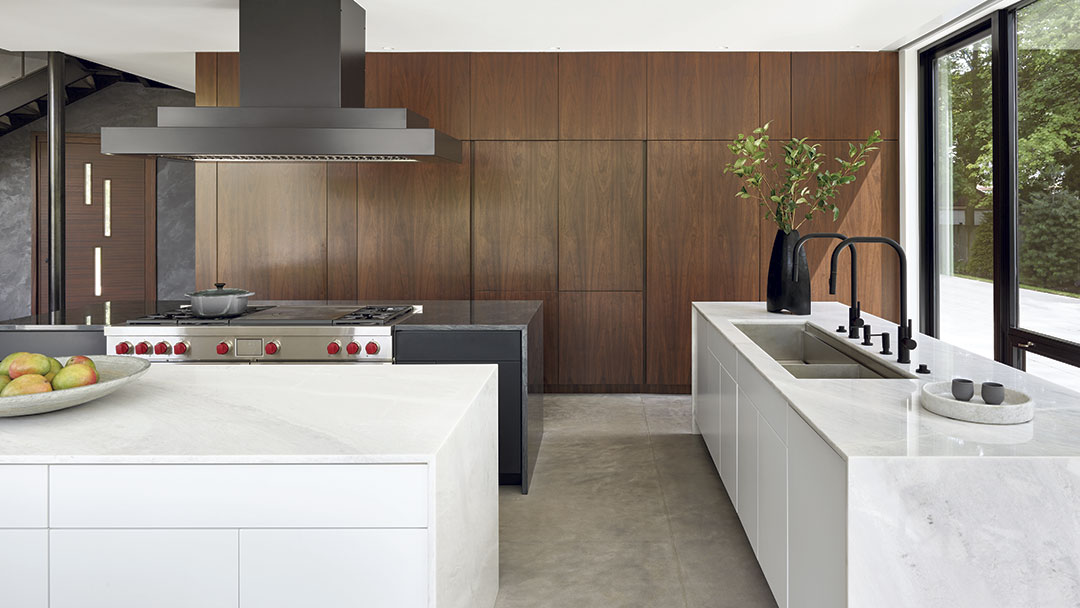
Desiree Burns Interiors
The first question that interior designer Laura Brophy asks before choosing a paint color has nothing to do with looks.
“Do you want it to feel calm and serene, bright and energetic, moody and dramatic, or warm and inviting?” she asks. “The emotional tone you’re going for can help narrow down your color palette right away.”
Want more design inspiration? Sign up for our free daily newsletter for the latest decor ideas, designer tips, and more!
Can You Tell Me About Your Lifestyle?
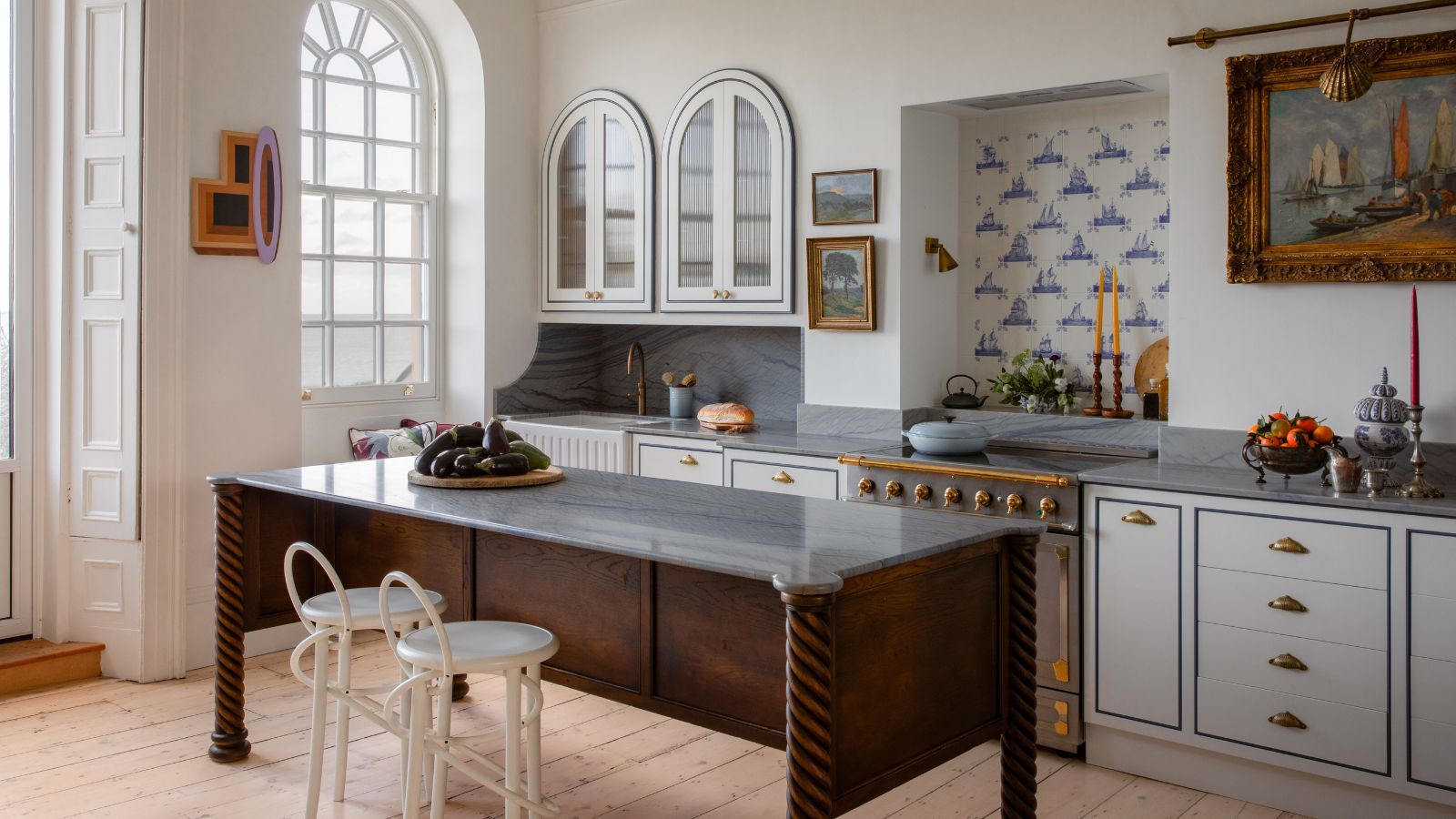
Laura Brophy Interiors
Taking your lifestyle into consideration is a shortcut to making choices about paint finishes and colors.
“How you live matters,” says interior designer Tehilla Bennett. “If you have kids, pets, or a busy household, you will want paint finishes that stand up to wear and tear and colors that better hide a little mess.”
What’s the Natural Light Like in the Room?
Louis Duncan-He Designs
“Light changes everything,” Bennett says. “Knowing whether your rooms get morning or afternoon sun can help you pick a color that looks great all day long and is not washed out or too shadowy.”
Brophy points out that north-facing rooms tend to have cooler, gray-toned light, while south-facing rooms are warmer and sunnier. “Light affects how paint reads on the walls,” she says. “Always test colors in different parts of the room and at different times of day.”
Which Elements Do I Need to Work Around?
Jessica Nelson Design / Carina Skrobecki Photography
Remember that paint colors should not be chosen in a vacuum. When renovating, it’s crucial to take existing features into account.
“Consider fixed elements like flooring, countertops, cabinetry, and large furniture pieces,” Brophy notes. “A paint color should complement those elements—not clash with them.”
Do You Prefer Warm or Cool Tones?
Kendall Wilkinson Design / Photo by Trevor Tondro
Take some time to understand how the distinct qualities of warm and cool tones, which affect the mood and look of a room in opposite ways.
“Pay attention to colors you’re naturally drawn to in clothing, decor, and nature,” Brophy says. “They’re often clues to what you’ll feel most comfortable living with long term.”
Essential Tips for Choosing a Paint Color
Here are Brophy’s golden rules for choosing a paint color.
- Always sample before committing. What looks perfect on a swatch can read totally differently on your wall. Use large sample swatches or paint a poster board so that you can move it around the room.
- Test in context. Look at your samples next to your trim, floors, furniture, and in different lighting—morning, midday, and evening. Colors shift dramatically with light and surroundings.
- Go a shade softer or muddier. A color that looks beautiful on a small chip can often feel overwhelming on a full wall. Slightly muted or grayed-out versions tend to read more elegant and livable.
- Trim and ceiling matter. Don’t overlook white or neutral paint choices for trim, doors, and ceilings—they can shift the entire feeling of a space. Warm whites vs. cool whites make a big difference.
- Don’t chase trends. Pick what works for your space, light, and personality. Classic, timeless colors often outlast trendiest shades.
- Think about how colors flow from room to room. Even if each room has its own personality, a cohesive palette or undertone ties everything together.
link

:max_bytes(150000):strip_icc()/GettyImages-1174825256-05ff10d1332949aa8dcfa7053a499961.jpg "Pantone Just Revealed Its 2026 Color of the Year")