The quiet revolution of home design: Simplicity, space, and soul
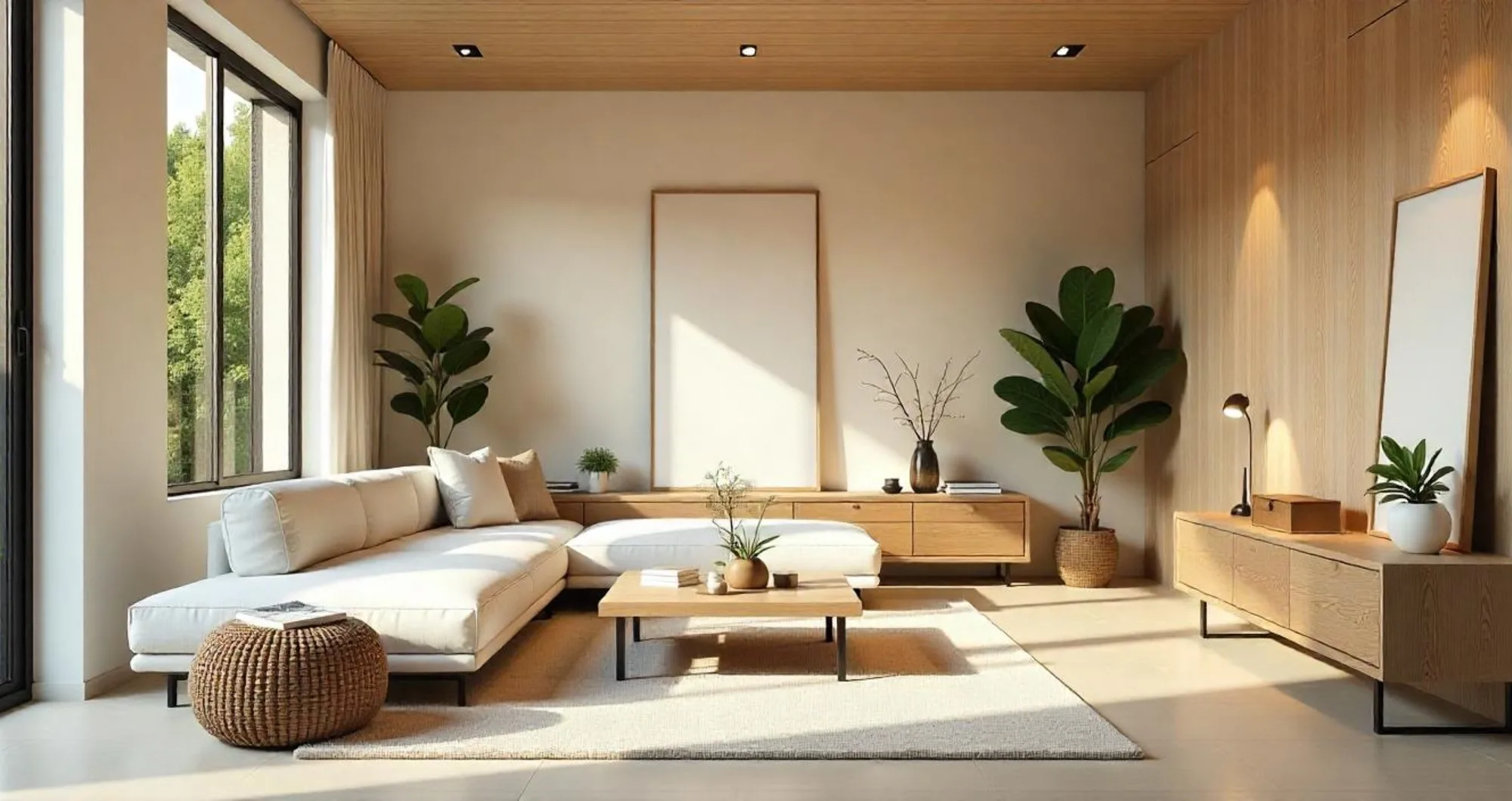
In 2025, home design is going through a quiet yet powerful transformation. This shift is not about flashy trends or high-tech gadgets. Instead, it’s about creating spaces that feel calm, open, and deeply personal. More people now choose homes that reflect their values—simplicity, spaciousness, and soul.
Why the Shift Toward Simplicity?
Life today feels fast, noisy, and packed with digital clutter. As a result, many are seeking peace and clarity at home. That’s where simple design comes in.
Minimalist spaces help reduce mental stress. Clean lines, natural light, and fewer objects create a calm environment. People now prefer quality over quantity. Instead of filling rooms with furniture and decorations, they choose fewer items with meaning and function.
This move toward simplicity isn’t about being cold or sterile. It’s about intentional living. Every item in the home should serve a purpose or bring joy.
Creating More Space—Without Moving
Space no longer means square footage. It means flow, flexibility, and breathing room.
Open-plan layouts continue to rise in popularity. They remove barriers and allow rooms to serve multiple functions. A dining area becomes a workspace. A living room doubles as a yoga space. Large windows, sliding doors, and neutral colours add to the feeling of openness.
Even small homes can feel spacious. Designers now use clever storage solutions and multipurpose furniture to make the most of every inch. Foldable desks, built-in shelves, and under-bed storage are just a few examples.
The Soul of the Home
Designers and homeowners alike now ask: how can a space feel alive?
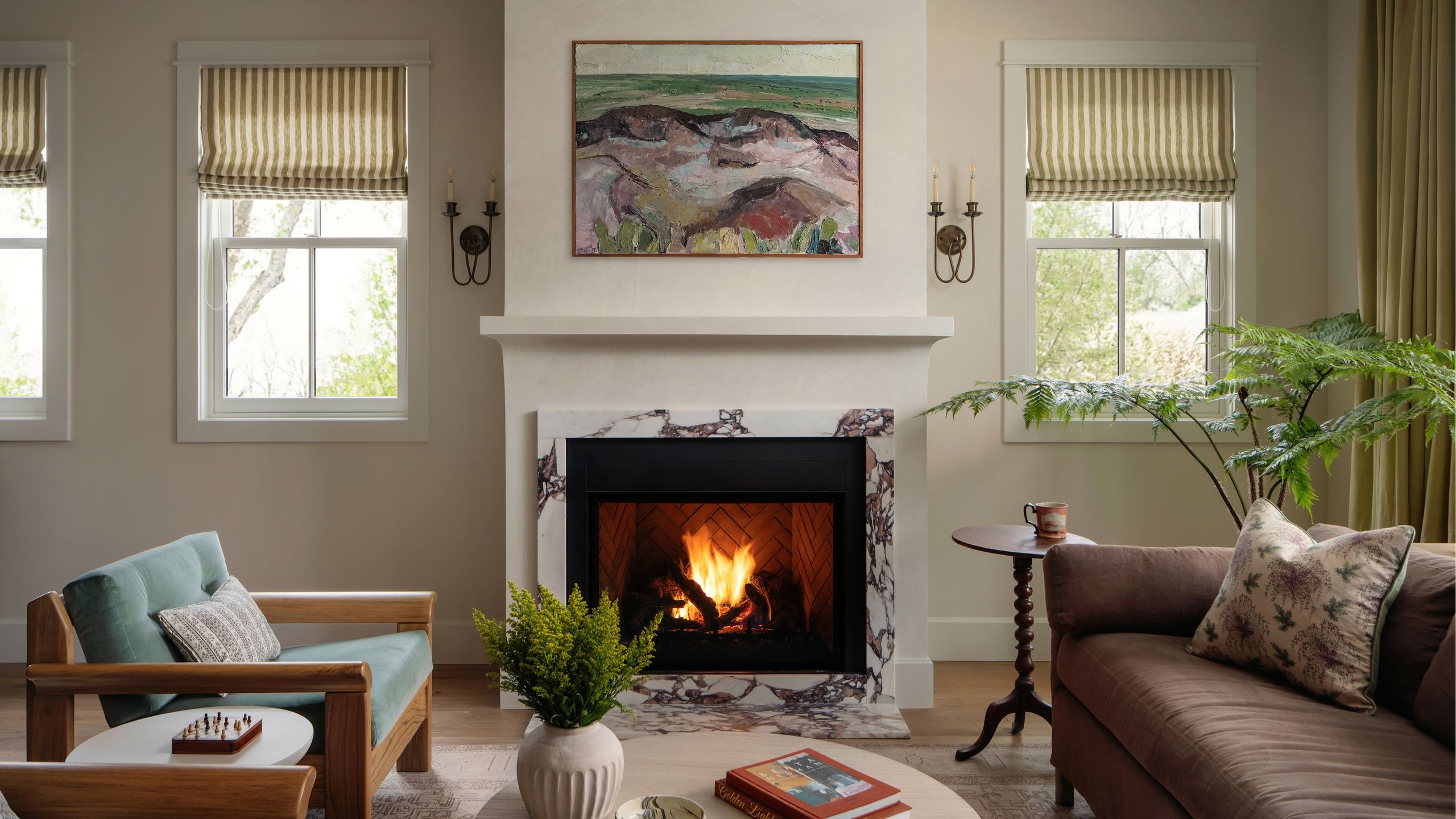
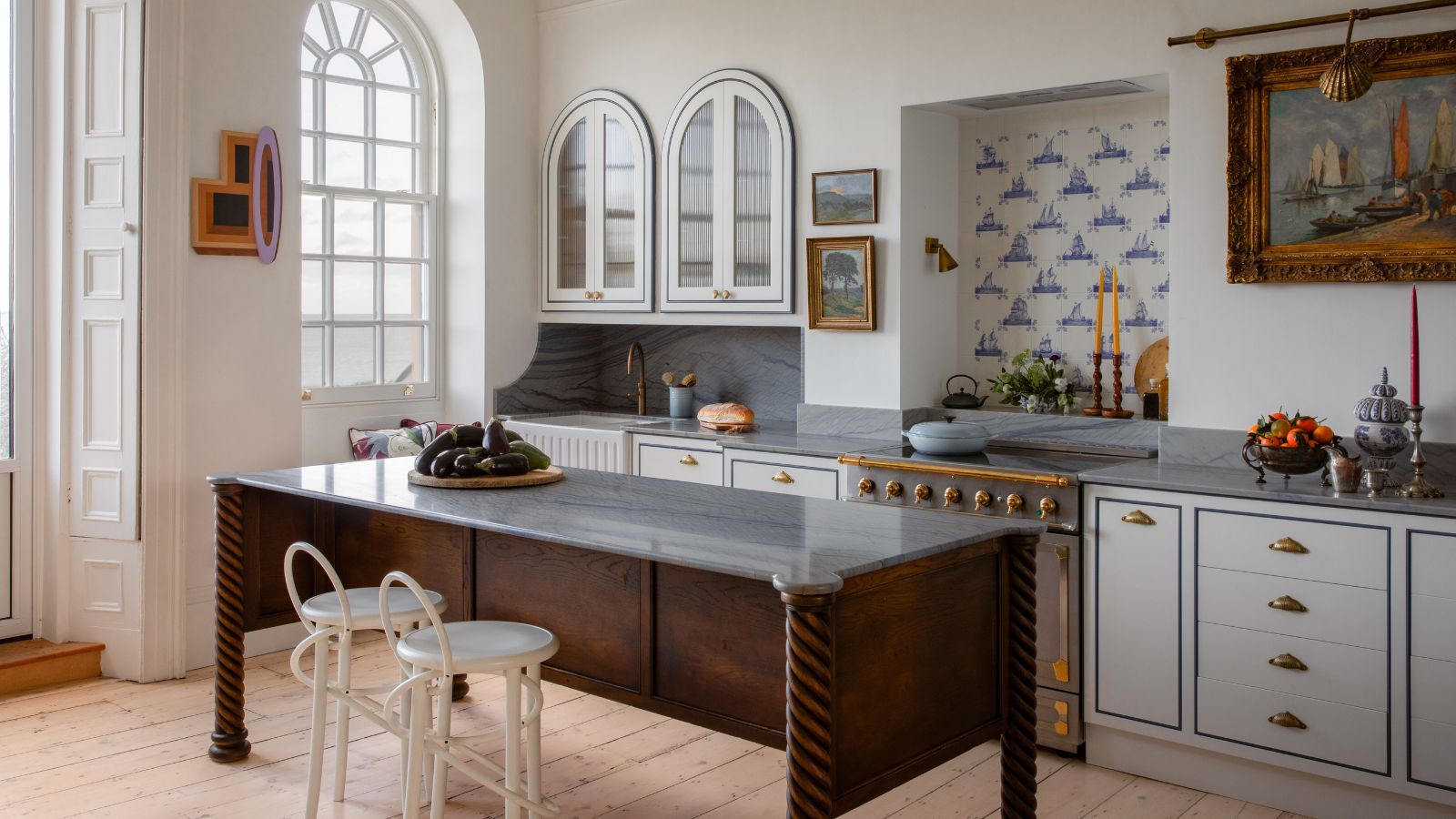
That’s where the soul of a home comes in. Soulful design reflects personality, history, and values. It includes things like handmade ceramics, art from local creators, or family heirlooms on display. These elements tell a story.
Natural materials—wood, clay, stone—add warmth and texture. Plants bring freshness and life. Even the scent of essential oils or the soft light from a vintage lamp can make a house feel like home.
The focus is on emotional connection. People want their spaces to support their mental health, relationships, and sense of self.
Sustainability at the Core
The quiet revolution also includes a shift toward eco-conscious choices. More homeowners choose sustainable materials and energy-saving features. Reclaimed wood, recycled tiles, and low-VOC paints are now common. Solar panels, rainwater systems, and compost bins are becoming part of modern home design.
People don’t just want beautiful homes—they want ethical ones. Simplicity, space, and soul align well with this green mindset.
Designing for Daily Life
Today’s homes must do more. They need to support work, rest, creativity, and connection.
Designers now think beyond looks. They ask: How will this space feel on a busy Monday morning? How does it support a slow Sunday with family? How easy is it to clean and maintain?
Comfort, ease, and purpose now drive design decisions. Even technology is used with care—smart lighting, thermostats, or speakers enhance comfort but don’t dominate the space.
Final Thoughts
The quiet revolution in home design isn’t about following trends. It’s about stepping back and asking what matters. Simplicity clears the clutter. Space brings ease. Soul adds meaning.
As we rethink how we live, this approach helps us build homes that feel more human—and more like home.
link