7 Ways to Try Lemonading at Home for a Joy-Filled Space
:strip_icc()/bhg-lemonading-design-11719483-d2c57ee3c4ed48ababd0afc8469b2004.png "7 Ways to Try Lemonading at Home for a Joy-Filled Space")
Advice like “Just look on the bright side” and “Cheer up, buttercup!” is often well-meaning, but let’s be real: The world can feel quite tense and heavy these days. If that acknowledgement resonates with you, you’re not alone. Over the past three decades, the average percentage of Americans who report feeling stressed at least daily has steadily climbed to 49%, according to a 2024 Gallup survey. The most-stressed group of all? Women aged 18 to 49.
While we can’t manifest our way out of a daunting to-do list, endless news updates, and stock market pendulum swings, we can adjust our worldview—and environment—to have a better chance of approaching our days with more ease. In other words, adopting a mindset like lemonading.
- Kerry O’Duibhir is the chief executive officer at New Wave Design & Contracting in New York City.
- Gail Saltz, MD, is an associate professor of psychiatry at the New York Presbyterian Hospital Weill-Cornell School of Medicine and the author of The Power of Different: The Link Between Disorder and Genius.
- Kellie Sirna is the owner and principal of Studio 11 Design in Dallas, Texas.
- Jessica Whitley is the interior designer, creative director, and founder of Jessica Whitley Studios in Athens, Georgia.
What Is Lemonading?
When faced with a challenge, it can be tempting to rush into one of two common reactions: sulk or soldier on. But according to research published in the February 2025 edition of Frontiers in Psychology, we can choose a different path: Inspired by the phrase “turn lemons into lemonade,” the authors of this study define “lemonading” as “creatively imagining and pursuing positive possibilities to cultivate adaptive, enjoyable experiences while maintaining a clear-eyed realism about challenges.”
While this might sound like optimism, lemonading is action-oriented, while optimism involves the belief that everything will simply work itself out.
“Sometimes optimism can means denying the problem, or just thinking that everything is going to turn out okay without a creative or thoughtful reason,” explains Gail Saltz, MD, author and associate professor of psychiatry. “Lemonading is possible when you have realism about potential problems, then make efforts and take action—using the problem to find a positive adaptation to it or from it.”
By proving to yourself that you can overcome a challenging scenario, you gain self confidence. This also often leads to a brighter mood and less anxiety, Dr. Saltz says. Along the way, you might even “find there can be something constructive achieved or experienced even when a problem looms,” she adds.
Imagine your refrigerator is displaying a few signs it’s on its way out, an optimistic might be thinking, “It’s probably just a fluke” and hoping for the best. Lemonading would entail scheduling an appliance check-up with a maintenance team while you research potential replacements and start setting up a budget to accommodate the potential cost. Or perhaps your doctor diagnoses you with borderline high blood pressure. Rather than blissfully ignoring or wallowing in it, a lemonader might set up an appointment with a registered dietitian, who could help them tweak their current meal plan to incorporate more high-fiber and low-sodium recipes.
Admittedly, finding the silver lining in tough situations demands mental fortitude, and can require a reasonably positive mindset. According to Dr. Saltz, one of the easiest and most impactful ways to support a lemonading lifestyle is hiding right at home.
“Your physical surroundings can impact your ability to be cognitively flexible and problem solve,” she says. If you are in a space that is generally calming, soothing, or invigorating, it can help boost your mindset.”
How Home Design Impacts Your Mood
Lemonading with your design isn’t just about curating how your home looks—it’s about how it lives and how it makes you feel, notes Jessica Whitley, founder of Jessica Whitley Studios in Athens, Georgia.
“A home’s design can hugely impact the mood, overall ‘vibes,’ and even the energy levels and mental health and wellbeing of its residents,” says Kellie Sirna, owner and principal of Studio 11 Design.
The following features can help your space feel like a place of comfort rather than chaos:
- Ample light
- An open-floor plan
- Thoughtful colors
- Organization
- Meaningful touches
Taking care when selecting home design features “can all elicit certain psychological and sensory responses that influence how we subconsciously feel and interact with our surroundings,” Sirna says. “The space can also alter how we feel, think, and interact outside of the home as well.”
7 Home Design Tips to Help Inspire a Lemonade Mindset
“Homes that reflect their residents’ values and stories feel more grounding and emotionally supportive,” says Kerry O’Duibhir, CEO at New Wave Design & Contracting. “Creating a space that is truly yours nurtures both daily function and long-term happiness.”
While no two humans or homes are completely alike, there are some general principles to keep in mind if you want to channel lemonade-like values. Dr. Saltz verifies that the environmental choices below can help improve mood while decreasing anxiety and stress, which allows you to be creative about the positive road that lies ahead.
“These aren’t just design tricks,” Whitley adds. “They’re small shifts that help your home support the kind of life you want to lead—especially when life calls for turning lemons into something beautiful.”
Jacob Fox. Styling: Breanna Ghazali
1. Adjust the Lighting
“To channel a ‘lemonade lifestyle’ at home—bright, uplifting, and grounded in simple joy—start by maximizing natural light with sheer curtains or mirrors to reflect the sun,” suggests O’Duibhir.
Natural light, especially morning sun, is a boon for your energy levels, mood, and sleep quality, Dr. Saltz says.
Besides tapping into the powers of natural light with skylights, large, lightly-draped windows, and mirrors, try layering in soft accent lighting. Unlike overhead lighting, which can feel intense, lamps, sconces, and candles “instantly make a space feel warmer and more inviting,” Whitley says.
As for those overheads, a dimmer switch is a fantastic option to tame harsh ceiling lights. It’s also wise to consider full-spectrum bulbs for any light fixture, so you can adjust the temperature of the light in a way that is more similar to natural sunlight—casting a cozy, inviting glow and adding natural warmth and personality to a space, Sirna continues. (Bonus: Natural light elicits the production of the “feel good” hormone serotonin.)
2. Choose Cheerful Colors
Scientists have found that color directly impacts our nervous system, so it’s no wonder Sirna believes that painting your walls is one of the most transformative, easy ways to bring the lemonade lifestyle into your home.
Select from the following options to set the mood you desire:
- Warm neutrals and pastels: Hues like soft buttery yellows, cheerful peaches, creamy apricot, and muted coral hues evoke an emotionally uplifting, naturally radiant glow.
- Earth tones: Sage, nutty browns, and watery blues are grounding, restorative, and promote relaxation and clarity.
- Jewel tones: If you’re naturally drawn to bold colors like emerald green, saturated purple, and turquoise, sprinkle those in with pillows, flowers, or artwork to help a space feel uplifted and energized.
Annie Schlechter
3. Create an Organized, Restorative Nook
Whether it’s a cozy reading chair by the window or a small tray with your favorite tea on a kitchen counter, carve out at least one spot that feels like yours. “This can act as a daily reminder to pause, breathe, and prioritize your well-being,” Whitley says.
It doesn’t have to be fancy—just intentional. Items like a comfortable chair and a heavy mug or soft throw (“Design should be felt just as much as it’s seen,” Whitley adds) serve as small reminders that you deserve TLC. According to O’Duibhir, this can grow to become your go-to space for daily unwinding and promoting mindfulness—especially if you keep the space organized to reduce stress and mental clutter.
“Small changes like these can make a home feel instantly lighter and more life-giving,” she adds.
Kim Cornelison
4. Welcome in Nature
Spending just 15 minutes outdoors has been scientifically proven to have a significant impact on levels of the stress hormone cortisol, as well as mood-boosting chemicals serotonin and dopamine. This combo platter is a formula for less stress.
“Designing a space that invites you into nature—even if it’s just a modest porch or patio lined with a few of your favorite flowers—is one of the kindest investments you can make for your mindset and overall well-being,” Whitley says.
While actually being outside likely delivers the biggest mood and energy boost, you can take a cue from the environment as you update your interiors, too. Biophilic design principles take inspiration from nature, and by doing so, encourage a sense of harmony between your home and the world at large. An indoor herb garden, for instance, reinforces the idea of growth and renewal.
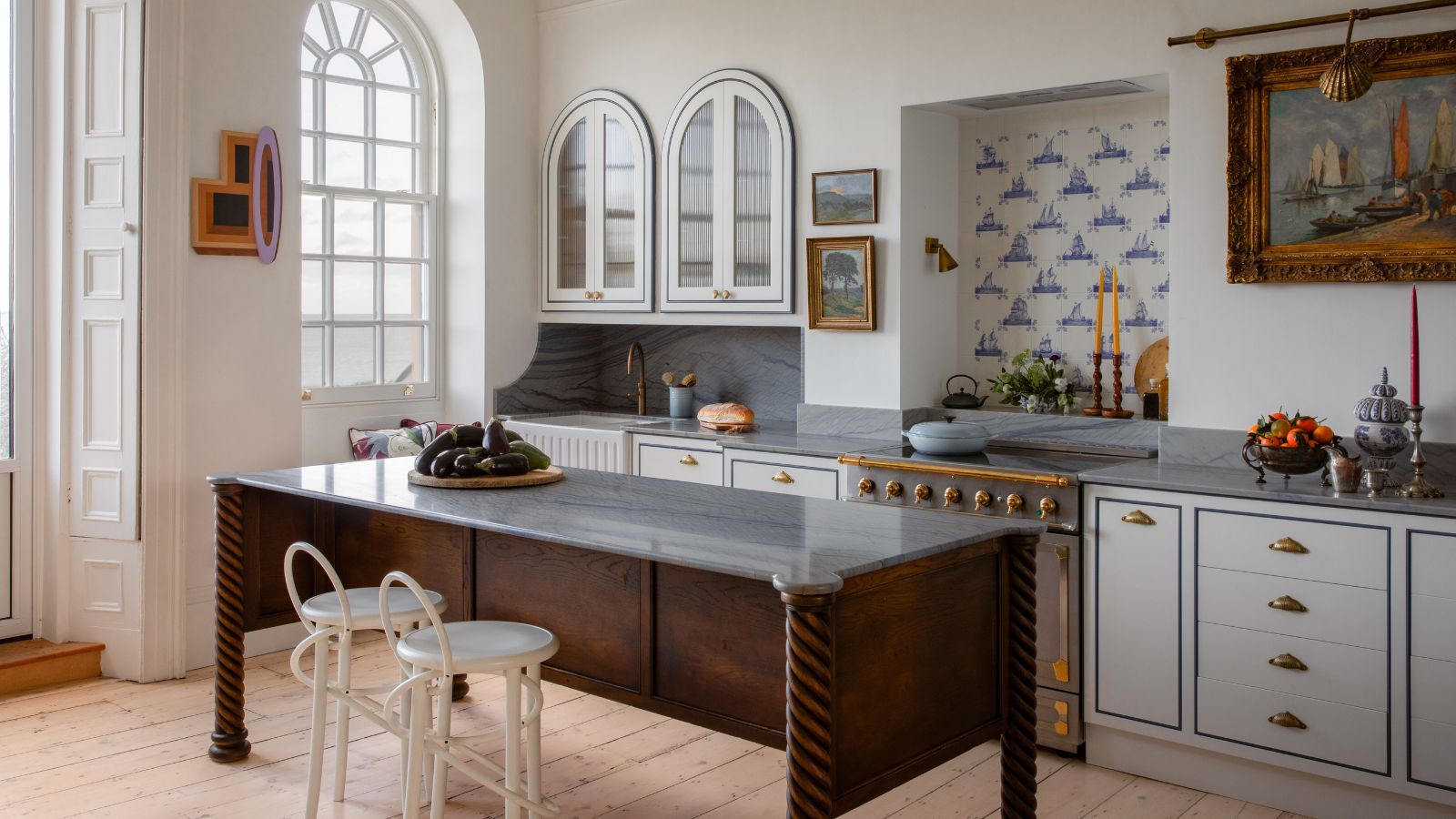
“Fresh flowers on the counter, a bowl of citrus on the table, or a potted plant near the sink—these little touches add color, texture, and scent that awaken the senses and soothe the spirit,” Whitley says.
BHG / Adrienne Legault
5. Consider a Signature Scent
Certain aromas can instantly transport you to another place that you link with positive memories, Whitley says.
“Filling your home with a scent that makes you feel calm and happy is one of the most personal and effective ways to create a sense of comfort and belonging,” she explains. “Whether it’s a lavender blend that reminds you of a peaceful vacation or a woodsy candle that reflects the landscape outside your door, fragrance has a powerful connection to memory and emotion.”
A couple of Team BHG’s favorite ways to fill a space with cozy fragrance: a warmly-spiced simmer pot in the kitchen and a refreshing eucalyptus bundle in the shower.
6. Invest in Upgrades to Make Your Life Easier
Take a stroll through every room in your home. Are there any features that trip you up, add extra time to tasks, or feel dated or draining? Create a list, then sort them in the order you think you can adjust them, keeping your timeline and budget in mind.
Making modifications to increase the functionality of your home pays off for years to come. (Think: installing an alphabetized spice rack in an extra drawer near your stove, rather than forcing yourself to dig through the random stacks in your pantry.) Ideally, each space fills you up and supports your routines, rather than exhausting you.
“Whether it’s improved lighting, more accessible storage, or new countertops, backsplashes, fairly small upgrades can foster better routines and encourage connection,” Whitley says. “When your spaces work well and feel joyful, everyday tasks become less of a chore and more of a ritual.”
Annie Schlechter
7. Take Your Time Layering in Meaning and Memories
Keep in mind that you don’t need to rush through this process. Making your home more “you” and supportive of a lemonading life is a journey rather than a destination.
“Be patient and allow for those perfect, joy-sparking pieces to find you, rather than overthinking or focusing too much on finding all the ‘right’ details immediately,” Sirna says. “Ultimately, you want your home to feel full of life in a way that is subtly cohesive, without feeling overly intentional.”
It’s also helpful to remember that no one else can dictate your personal positivity-filled design choices. Don’t be afraid to play with patterns, mix and match textures and styles from different eras if that speaks to who you are. Handmade gifts, treasures from travels, keepsake family photographs, and family heirloom furniture can combine to “add depth, character, and charm to a space when done right,” Sirna says. “This fully embodies lemonade-style values of thoughtfulness, positivity, and purposeful joy.”
link