7 furniture arrangements Boomers insist on that younger decorators would change immediately

Add Silicon Canals to your Google News feed. 
Ever walked into your parents’ house and felt like you’ve stepped into a furniture showroom from 1985? You’re not alone. While Boomers hold tight to their tried-and-true furniture arrangements, younger decorators are practically itching to grab the nearest ottoman and start rearranging everything.
The generational divide in home design isn’t just about aesthetics. It reflects deeper differences in how we live, work, and connect with others. After spending countless weekends at my childhood home recently, I’ve noticed these patterns everywhere.
The same formal setups, the same untouchable spaces, the same furniture pushed against walls like they’re afraid of the middle of the room.
What’s fascinating is how strongly each generation defends their approach. Boomers see their arrangements as proper and timeless. Millennials and Gen Z? They’re all about flexibility, functionality, and making every square foot count. Let’s dive into the seven furniture arrangements that perfectly capture this generational tug-of-war.
1) The formal dining room that nobody uses
Remember that room with the fancy china cabinet and the table that only sees action on Thanksgiving? Boomers insist on dedicating prime real estate to formal dining rooms, complete with matching chair sets and a chandelier that requires a ladder to clean.
Meanwhile, younger decorators look at that space and see endless possibilities. A home office? A creative studio? Maybe a combination dining area and workspace that actually gets used daily? The idea of having a room that sits empty 360 days a year makes zero sense to generations dealing with smaller living spaces and remote work needs.
I recently helped a friend transform her inherited formal dining room into a multipurpose space. We kept a table but chose one that could expand when needed and added built-in shelving for both dishes and office supplies. Her parents were horrified at first, but even they admitted it was nice seeing the room actually lived in.
2) The untouchable living room
Growing up, how many of you had a living room you weren’t actually allowed to live in? That pristine space with the plastic-covered sofa, decorative pillows that couldn’t be touched, and carpet you could only walk on with clean socks?
Boomers often maintain these museum-like formal living rooms alongside their casual family rooms. Everything matches perfectly, from the lamp shades to the throw pillows, creating a space that looks beautiful in photos but feels about as welcoming as a hotel lobby.
Younger generations flip this concept entirely. Why have two living spaces when you could have one amazing one? They’re pulling furniture away from walls, creating conversation areas, mixing vintage finds with modern pieces, and actually encouraging people to put their feet up on the coffee table. The goal isn’t perfection; it’s comfort and connection.
3) Television as the room’s focal point
Walk into most Boomer homes and you’ll find every piece of furniture in the family room aimed at one thing: the TV. The enormous entertainment center dominates the wall, with seating arranged in strict rows facing the screen like a mini movie theater.
Younger decorators are hiding TVs behind artwork, mounting them in corners, or choosing smaller screens that don’t dominate the entire room. They’re arranging seating to encourage conversation, with chairs and sofas facing each other rather than the wall. Some are even skipping the TV entirely in main living spaces, keeping screens confined to bedrooms or dedicated media rooms.
The shift reflects changing entertainment habits too. When you’re watching Netflix on your laptop or phone half the time anyway, dedicating your entire living room layout to a TV starts to seem pretty limiting.
4) Matching furniture sets everywhere
Boomers love their furniture sets. Matching bedroom suite? Check. Coordinating living room ensemble? Absolutely. Even the dining room chairs need to be identical, preferably purchased as a complete set from the same store.
This matchy-matchy approach makes younger decorators want to scream. They’re mixing wood tones, combining different chair styles around the dining table, and pairing vintage nightstands with modern bed frames.
The eclectic approach isn’t just about being trendy; it’s about creating spaces with personality that evolve over time rather than being frozen in whatever year you bought that seven-piece bedroom set.
I learned this lesson the hard way when I first moved into my own place. I thought I needed everything to match perfectly, but the result felt sterile and impersonal. Now, my favorite pieces are the ones that don’t match at all but somehow work together to tell a story.
5) Pushing all furniture against the walls
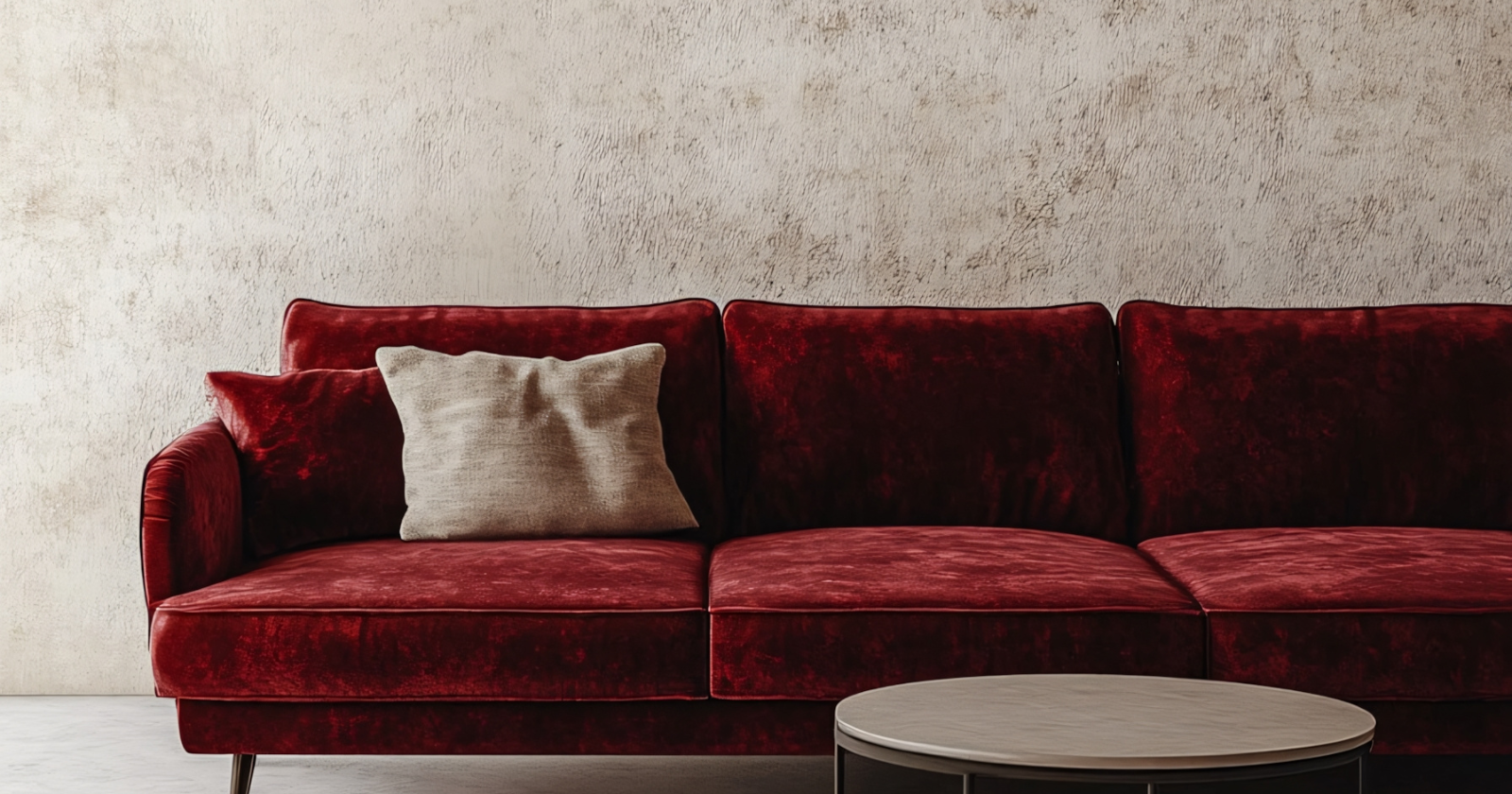
There’s something about Boomer furniture arrangement that treats the center of every room like sacred ground. Sofas pressed against walls, chairs in corners, and vast expanses of empty floor space in the middle of rooms that could really use some cozying up.
Younger decorators call this the biggest rookie mistake in home design. They’re pulling furniture into the room, creating intimate seating areas, and using rugs to define different zones within larger spaces. A sofa floating in the middle of the room with a console table behind it? That’s not weird; it’s intentional and functional.
The wall-hugging habit might come from decades of different living patterns. When kids were running around and formal entertaining was common, maybe all that open floor space made sense. But for generations that value intimate gatherings and work-from-home flexibility, breaking up spaces into functional zones just works better.
6) The guest bedroom shrine
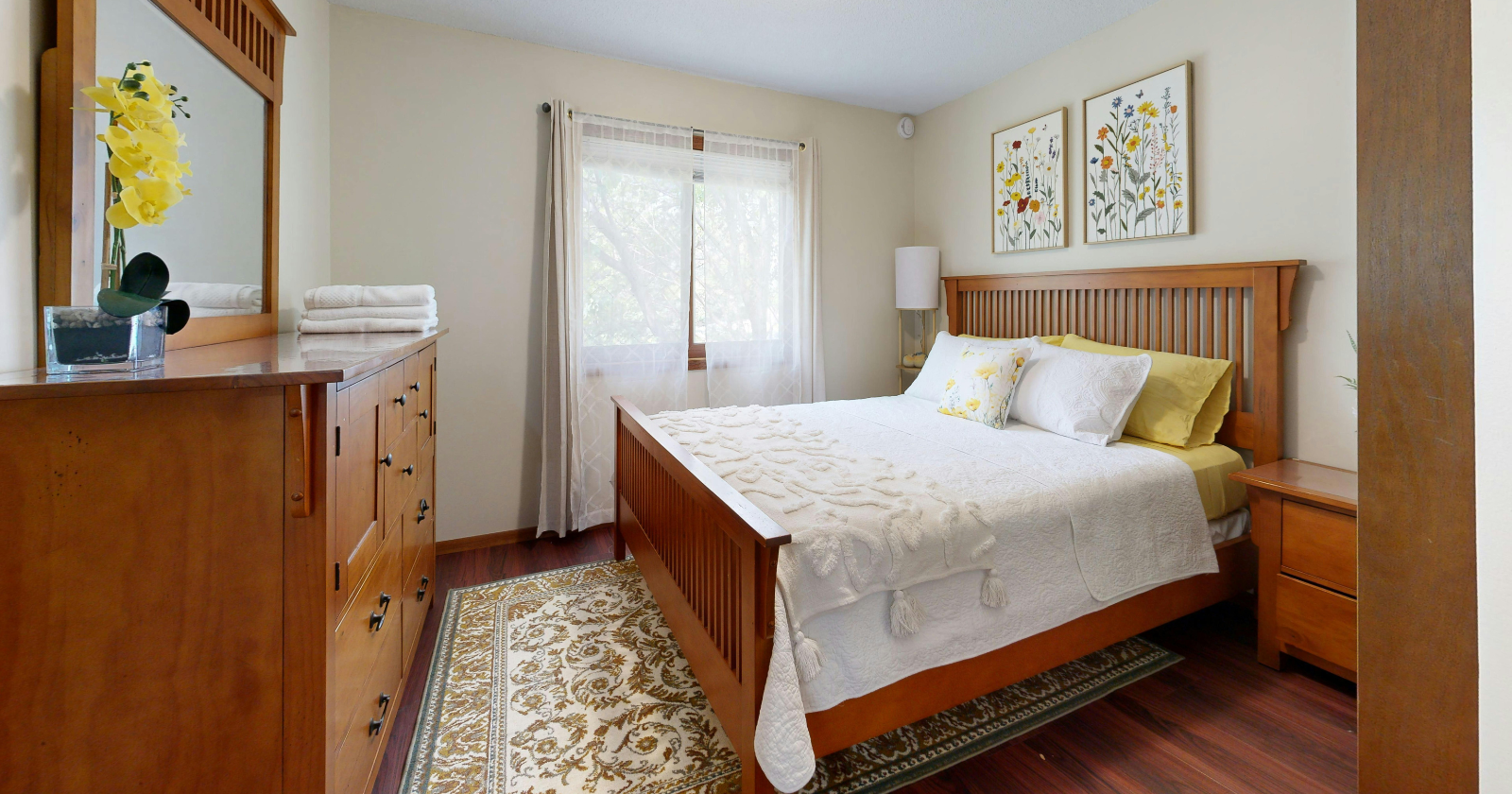
Boomers maintain guest bedrooms like they’re expecting the Queen of England to drop by any moment. These rooms sit empty most of the year, perfectly made beds gathering dust, dedicated to visitors who might show up twice annually.
Can you imagine having an entire room you don’t use? Younger decorators sure can’t. They’re turning these spaces into home offices, workout rooms, or creative studios that can convert to guest rooms when needed. Murphy beds, sleeper sofas, and daybeds make it possible to host visitors without sacrificing valuable square footage the other 350 days of the year.
My partner and I wrestled with this decision in our apartment. We wanted to host guests but also needed office space. The solution? A daybed that looks like a sofa most of the time, with a desk along one wall. It’s not a traditional guest room, but it works perfectly for our actual lifestyle.
7) Single-purpose rooms for everything
The Boomer home has a room for everything: formal living room, family room, formal dining room, breakfast nook, home office, guest bedroom. Each space has one designated purpose and heaven forbid you try to eat breakfast in the formal dining room.
Younger generations, facing different economic realities and smaller living spaces, have embraced multipurpose everything. The dining table doubles as a desk. The living room includes a workout corner. The bedroom might have a reading nook that converts to a meditation space.
This isn’t just about making do with less space; it’s about creating homes that adapt to how we actually live. When you work from home, exercise at home, and entertain at home, rigid single-purpose rooms just don’t cut it anymore.
Final thoughts
These generational differences in furniture arrangement aren’t really about right or wrong. They reflect different life stages, economic realities, and cultural values. Boomers arranged their homes for a different world, one with clearer boundaries between work and home, formal and casual, public and private.
But as someone caught between these worlds, visiting my childhood home while making my own space work for modern life, I see the value in questioning inherited assumptions about how homes should function. Maybe that formal dining room could become something more useful. Maybe that couch doesn’t need to hug the wall.
Maybe, just maybe, it’s okay to actually live in your living room.
link