


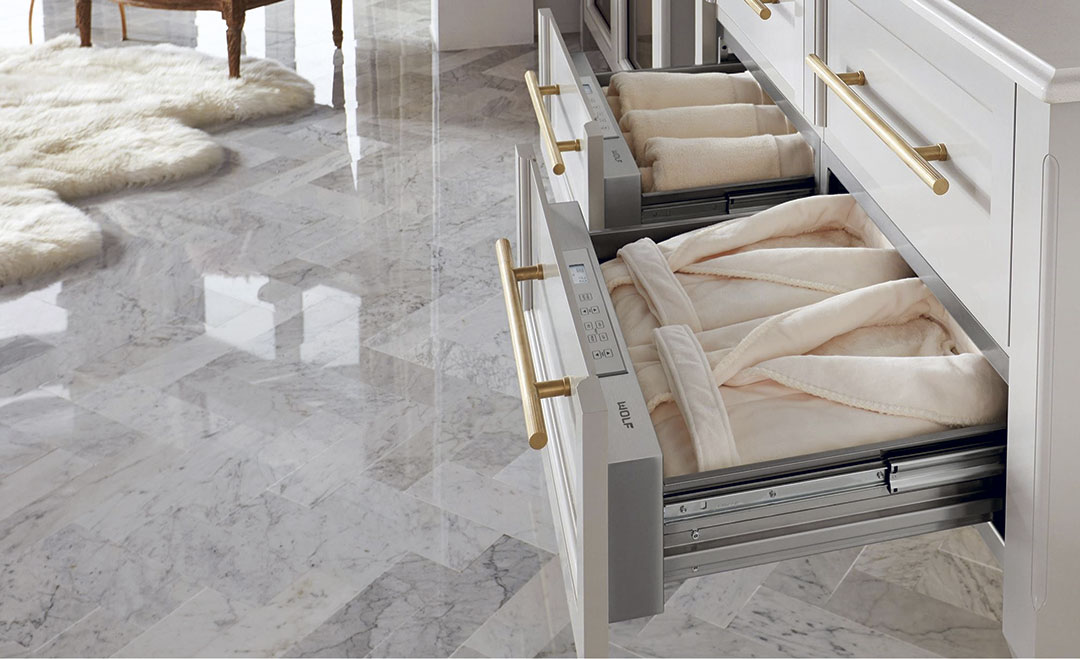
I’m a sucker for trend reports – ideal for a Trend Spotting columnist, right? – and I’m particularly fond of those that give an objective overview from a close-up vantage point. The 2026 Home Design Trend Predictions, compiled by home improvement platform Thumbtack in coordination with real estate giant Redfin, fits that bill perfectly! And you’ll be glad to know that “when it comes to where homeowners are investing, the kitchen remains the heart of the home, with 41% of pros naming it the top remodeling project for 2026,” the report concludes, adding that bathrooms and ADUs aren’t far behind. (Each of those “accessory dwelling units” has at least one bathroom and a kitchen.) That is all good news for our industry!
In the November/December issue of KBDN, I asked five industry pros for their insights on 2025’s top trends. In this first column of a brand new year, we’ll look at what they’re seeing for 2026’s kitchen and bath projects. Offering their insight:
- Angie Roseman manages national partnerships for home builder Beazer;
- Interior designer Cara Woodhouse works with clients in her New York market, as well as across the country;
- CEO of the massive Berlin-based IFA (Innovation for All) smart home expo Leif Lindner;
- Amy Chernoff, marketing v.p. for appliance retailer AjMadison;
- Nancy Keenan, CEO of DAHLIN Architecture | Planning | Interiors and co-founder of the America at Home study.
Overview
Keenan points out that older members of Generation Z (also known as Gen Z and, my favorite, Zoomers, currently in their late 20s), are just beginning to enter their potential homebuying years, though they’ve been extremely challenged by a scarcity of affordable homes, high interest and insurance rates, a preponderance of cash buyers outbidding them and a weak job market. If you have kids, employees or extended family in this cohort, you’re already aware of their difficulties. Keenan predicts, “As their purchasing power grows, we expect increased demand for homes with smaller footprints, smarter functionality and sustainable features.” These can all impact what you’re designing.
Another influence is location. “In 2026, we expect relocations to become increasingly tied to politics, personal values and community alignment,” Chernoff anticipates. “Homeowners are moving to ‘like-minded’ geographic areas in ways not seen previously, and this trend will likely continue. Factors such as opportunity, natural resources, civic awareness and even severe weather are playing greater roles in shaping where people choose to build and invest,” she adds. So is extended family, with multigenerational living and ADU building tied into relocation trends. This facilitates caregiving and cost-sharing in both directions.
I saw this pattern two decades ago among my Central Florida immigrant clients, with homes having two primary suites and kitchenettes for the grandparents. The high costs of retirement living, real estate and childcare have really revived this trend. Consider kitchens that enable two generations to prepare meals together and the need for second suite-based kitchens. Woodhouse also sees multigenerational living as a growing trend among her luxury clientele, pushing design to become more adaptive, she observes.
Roseman is seeing the same for her national firm’s homes. “We expect universal design principles to become increasingly relevant for homebuyers looking for accessibility and as multigenerational living and aging in place grow in importance.” The Beazer executive is also seeing continued demand for personalized spaces, but observes that “first-time buyers will still want help navigating the process.” This is a point worth factoring into your client conversations; is this your first home, you could ask (if you’re not already). With first-time buyers now more often in their 40s than their 20s, homeownership experience is not something to take for granted. Your expertise as a professional will have even more value to this clientele!
Shifting Mindset
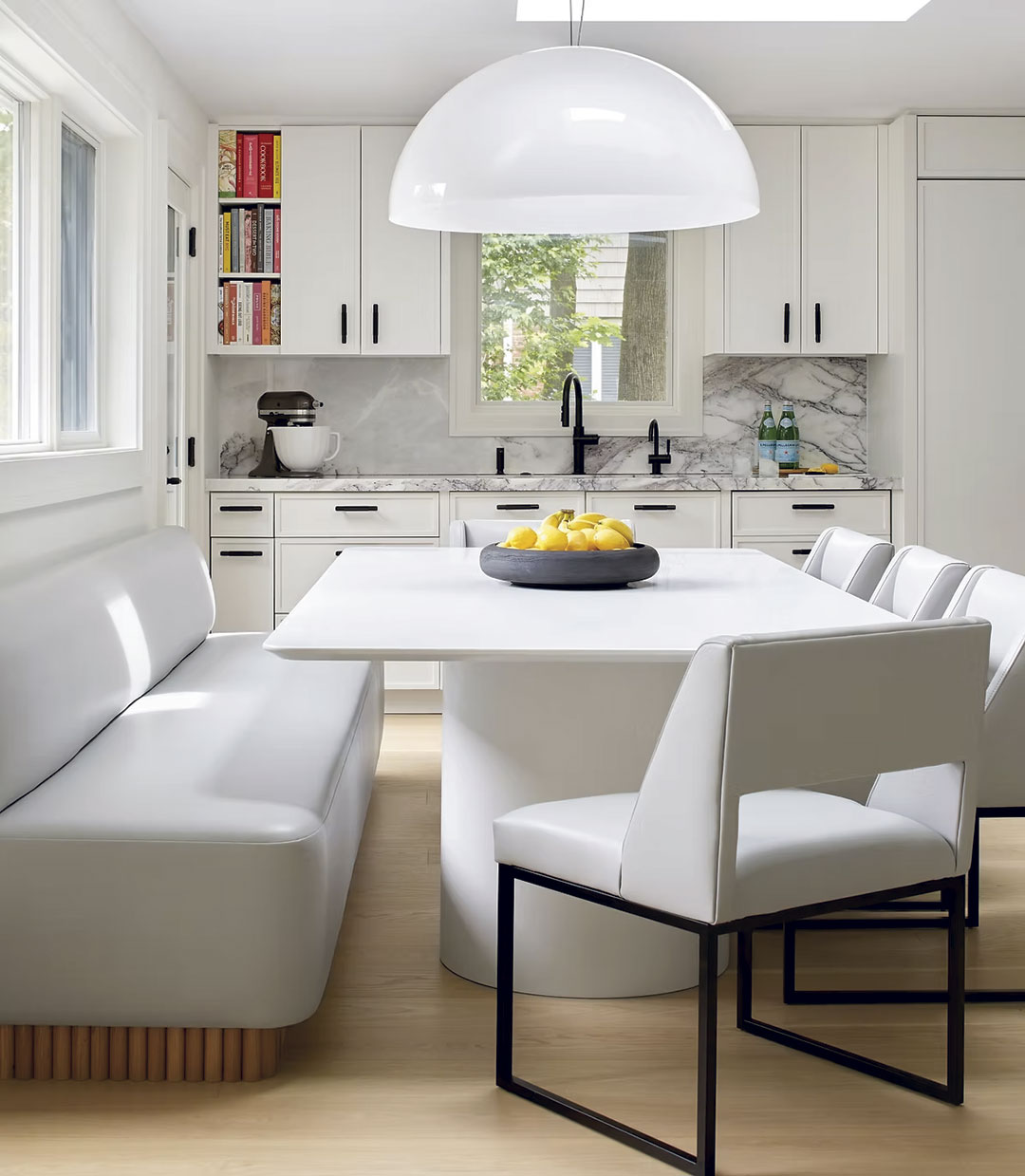
“We’re anticipating continued friction between what consumers want and what regulations allow,” Keenan observes. Builders and developers aren’t necessarily keeping up with what buyers want, she further notes. “The reality is that 30% of consumers say they can’t find the right home at the right price, and another 30% feel less confident making housing decisions today than just a few years ago,” she declares. The firm principal sees a significant mindset shift in how buyers are defining what value means, assessing that “consumers are evaluating homes based on how well they support their health, lifestyle and long-term wellbeing.”
Perhaps because of the significant costs involved in homeownership – dramatically higher than in past decades – homeowners also expect to remain in one place longer. That has impacts in what they’re seeking too. “People also expect their homes to flex with them. Today’s home is more than a shelter – it’s an office, gym, social hub and wellness retreat,” Keenan comments. “If your home can’t adapt to how you live, it’s no longer meeting your needs. Flexibility is the new luxury.”
In the luxury market itself, Woodhouse is seeing confidence, with a youthful emphasis. “Younger luxury consumers will continue to drive the market,” she exclaims. “They’re design-savvy, they research and they want homes that reflect their personal style.”
“If 2026 follows the path of 2025, consumers will continue to experience cycles of confidence and hesitation,” Chernoff anticipates. “Unpredictability around tariffs, interest rates and pricing will likely fuel ongoing uncertainty, keeping many homeowners cautious even as they plan to invest in their living spaces.” (It’s possible that the Supreme Court will release its tariff decision this quarter, long before the end of its term in late June, which can influence what happens with these added expenses.) On a more positive note, the retail executive sees a rosy outlook for industry pros: “Designers and builders remain busy with active projects, and there is no indication that momentum will slow in the year ahead.” Let’s all take a collective breath of relief!
IFA’s Lindner is also bullish on 2026. Despite a certain amount of fiscal caution, “Homeowners will be willing to invest more into quality kitchen and bath solutions that not only make their lives easier and more comfortable – but that last.” Reliability, return on investment and “interoperability” will be essential for new releases, he says, adding that the focus going forward will be more about long-term value than novelty. The expo executive anticipates the new year offering “kitchen and bath solutions that prove their efficiency, save resources and improve wellbeing – from appliances that monitor air and water quality to connected baths that help prevent leaks or detect usage patterns.”
Woodhouse agrees: “Interest rates may stabilize, but clients are now used to the idea that building and renovating are investments. The desire for customization and luxury won’t slow down, even with economic fluctuations.”
Wellness Trends
“Wellness will continue to drive housing decisions, but now with even more urgency,” Keenan anticipates. “Consumers are telling us that they’re not willing to go into significant debt for a home that doesn’t support their holistic wellbeing.”
Lindner agrees: “Wellness and personal comfort will also remain strong drivers, reflecting the fact that kitchens and bathrooms are evolving into multifunctional living spaces.” Woodhouse sees the same, noting that people want homes that nurture their health.
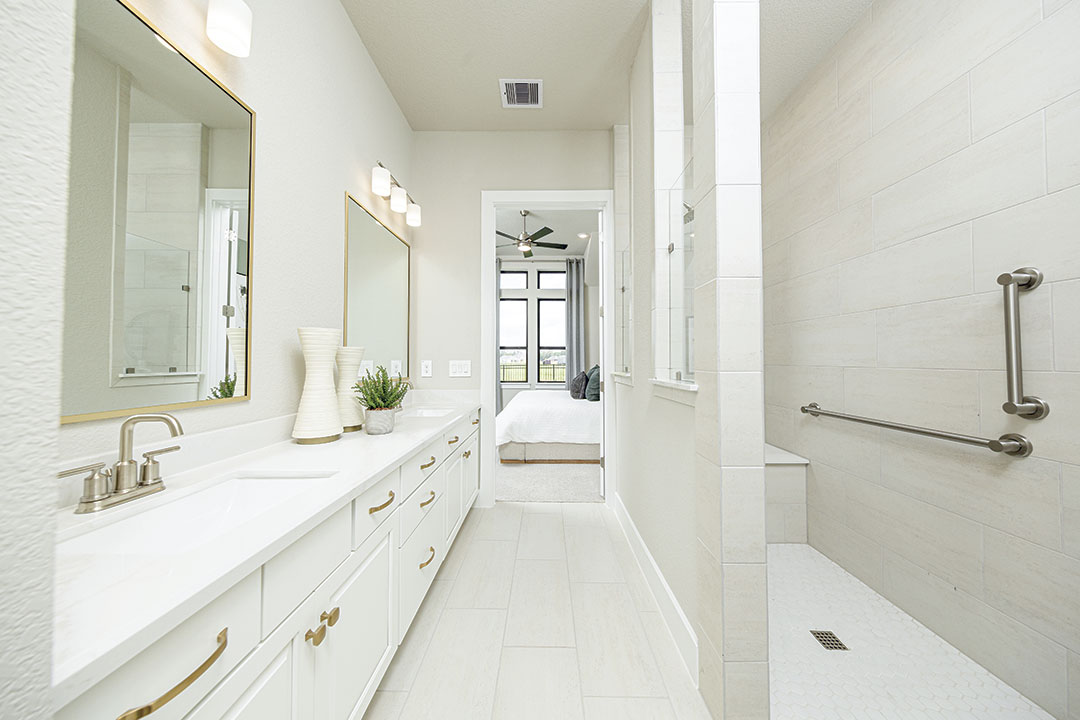
Beazer’s Roseman adds, “Universal design and overall livability are going to matter more than ever. From front-control appliances to walk-in showers and wider doorways, people want homes that support their lifestyle at every stage of life.”
Technology Trends
Artificial intelligence will play a growing role in 2026. “In the home, kitchens and baths are set to showcase some of the most exciting applications of AI,” Lindner predicts. He sees cooktops that adapt recipes to available ingredients, refrigerators that connect with wearables to suggest meals tied to wellness goals and showers that track temperature patterns. “All of these things are now within reach,” he enthuses. Okay, but I have to wonder whether my long-ago prediction of your fitness tracker locking your refrigerator door when you haven’t hit your step goal or exceeded your carb load is on the verge of becoming reality!
“Consumers are increasingly drawn to technologies that manage air quality, water filtration, energy consumption and home safety,” Keenan shares. “These features are no longer seen as luxury upgrades but as essential components of a wellness-focused home. As demand for wellness and operational efficiency grows, we expect to see smart home technology become more intuitive, proactive and seamlessly embedded into the home’s design. The expectation is shifting toward frictionless, automated systems that not only respond to user input but also anticipate needs, especially in high-impact areas like the kitchen and bathroom.” If you don’t have a trusted technology partner at this point, you’re going to have a harder time completing the project expectations of your next clients. This applies to homeowners of all ages, not just Zoomers and Millennials.
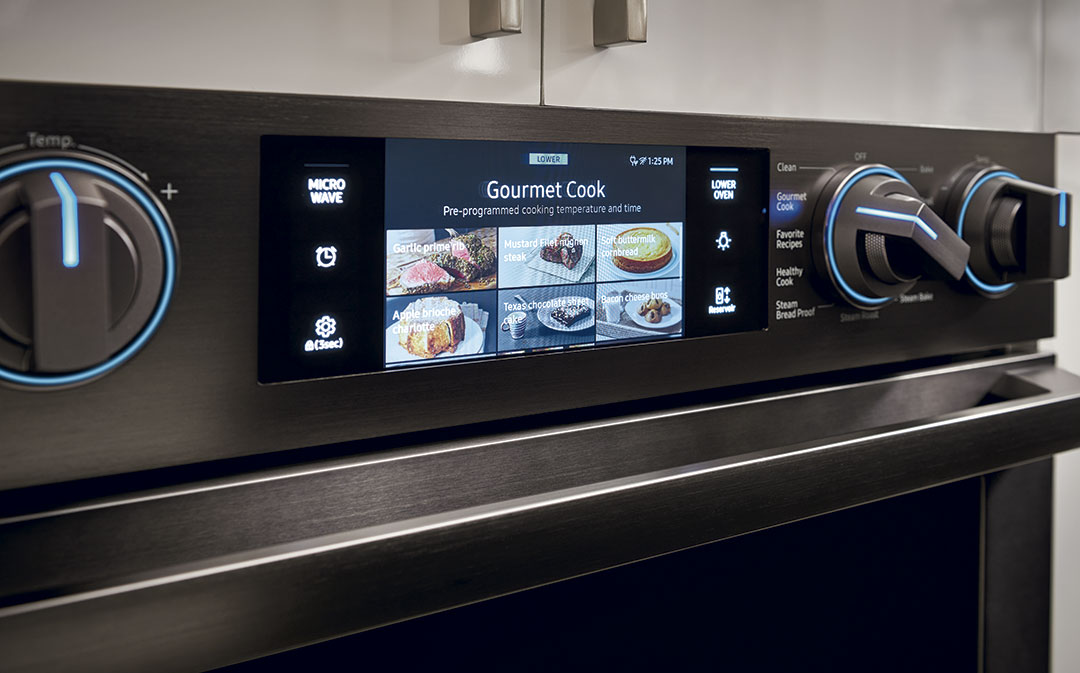
The latest AARP 2026 Tech Trends report, released in December, notes that “tech use and adoption keep surging among older adults.” Your Gen X and Boomer clients also want the benefits smart home features can deliver, with perhaps a bit more user-friendliness and privacy than Millennials or Zoomers seek. The study notes that half of older adults “now use at least one type of smart-home technology (for example, security, lighting, cleaning, hubs), and home-safety devices are increasing as cameras and alarms become more prevalent.” When it comes to artificial intelligence, this cohort expresses the greatest interest in AI-health monitoring devices and guidance. That can impact products you specify for cooking and hygiene.
Chernoff reveals, “Several notable product launches are expected in 2026. Samsung is introducing its Extractor Induction Hob and an AI-enhanced dishwasher, while BSH is preparing Matter-enabled smart refrigerators.” The retail executive anticipates that AI integration will become more thoughtful, “adding functionality without overwhelming users.”
Bathroom Trends
“Connected mirrors with health integration are also on the horizon,” Lindner shares. “These kinds of innovations have the potential to redefine daily routines for the whole household.”
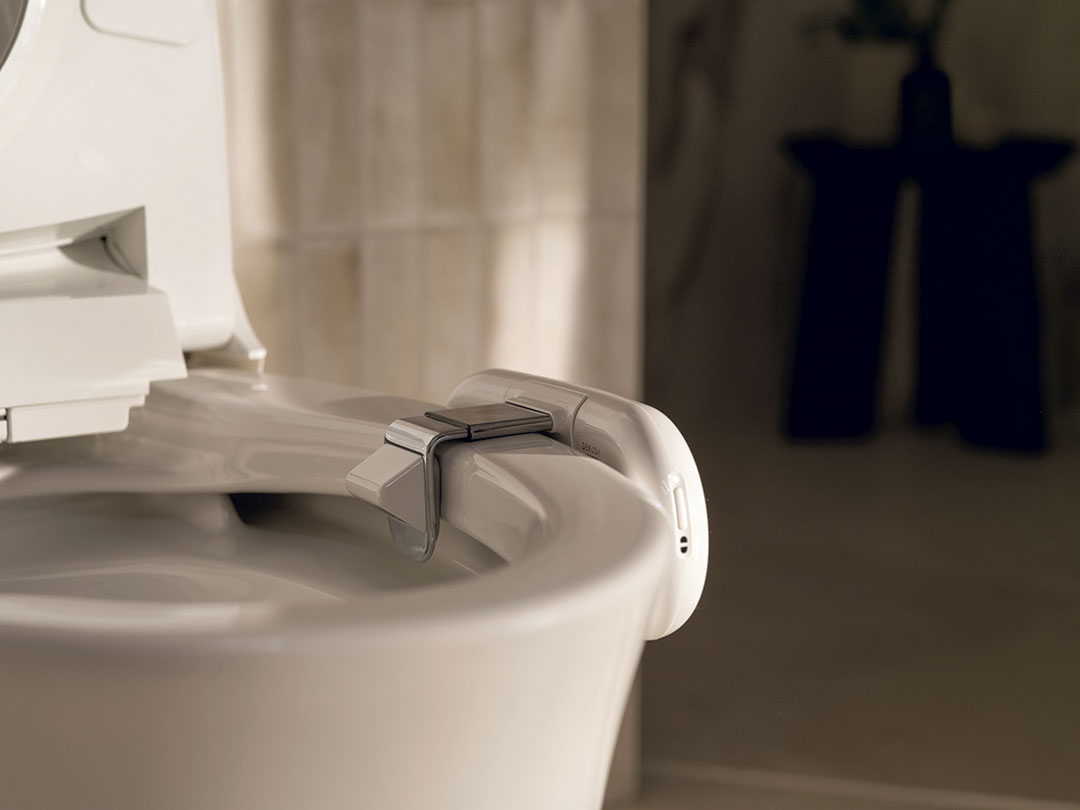
On a related note, last Fall Kohler Health introduced Dekoda, a toilet add-on that attaches to the bowl and analyzes gut health, hydration and the presence of blood, according to the manufacturer. This supports Lindner’s observation, “The bathroom is no longer just functional. It’s becoming a wellness space with technology that supports beauty, relaxation and healthcare routines.”
“Touchless faucet technology is something I’d love to see expand even further – especially into more bathroom setups,” Roseman shares. “It’s a small detail, but it makes a big impact on ease of use and is a great example of form meeting function.”
Kitchen Trends
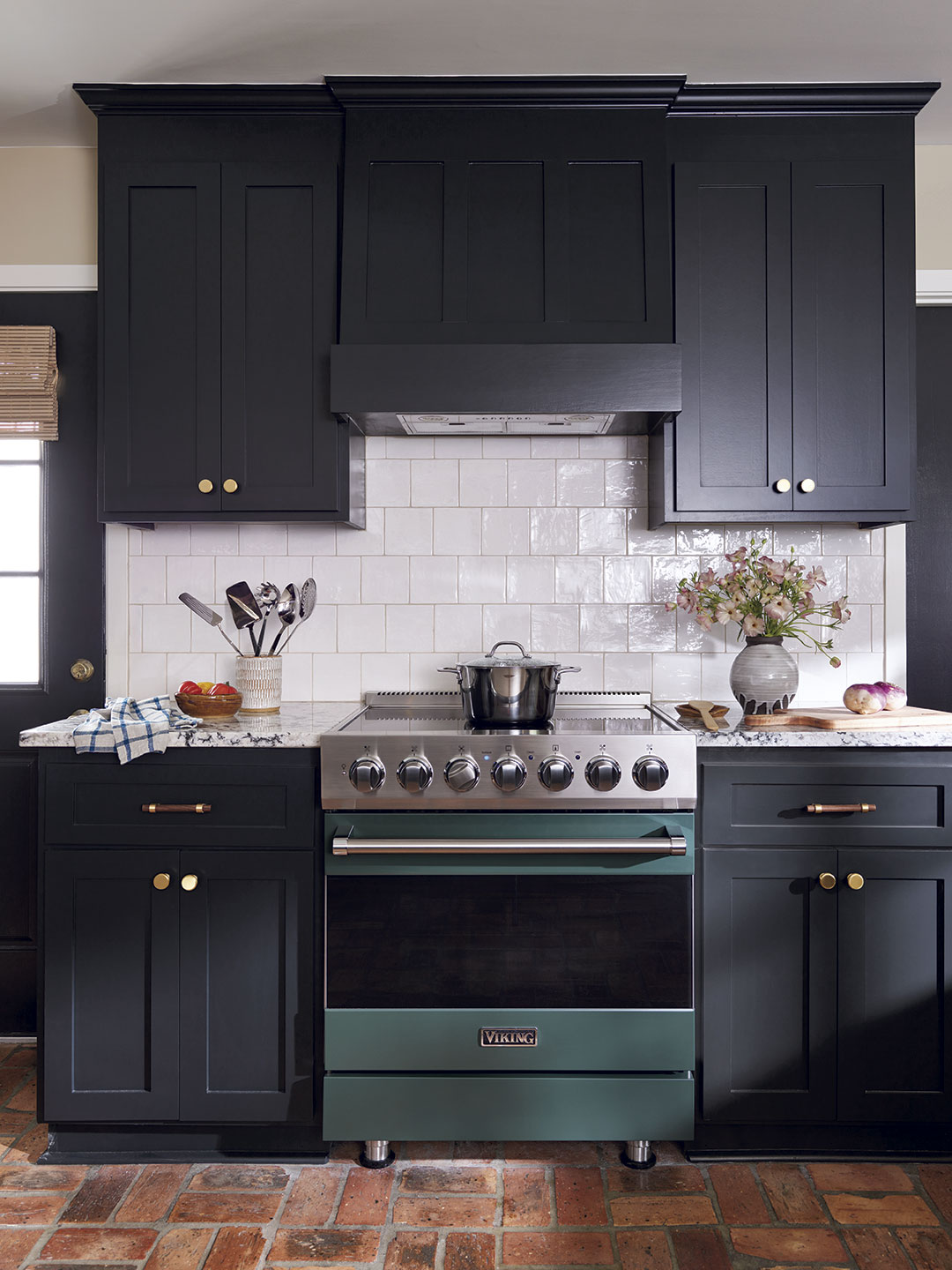
“Personalization will expand further,” Chernoff shares, “with more options for color, hardware and configuration that allow consumers to design appliances around their own preferences.”
Roseman says, “We’re excited about appliances that are getting smarter and more intuitive. Features that actually make daily life easier – like remote controls or notifications – are going to keep gaining ground. It’s not about bells and whistles; it’s about making real life a little more seamless.”
“I love when appliances combine thoughtful, functional features with luxurious, personal touches, whether it’s smart integration, simplified installation or finishes that feel truly bespoke,” Woodhouse shares. “These are the details that transform an appliance into part of the design language of a home.”
Outdoor Living Trends
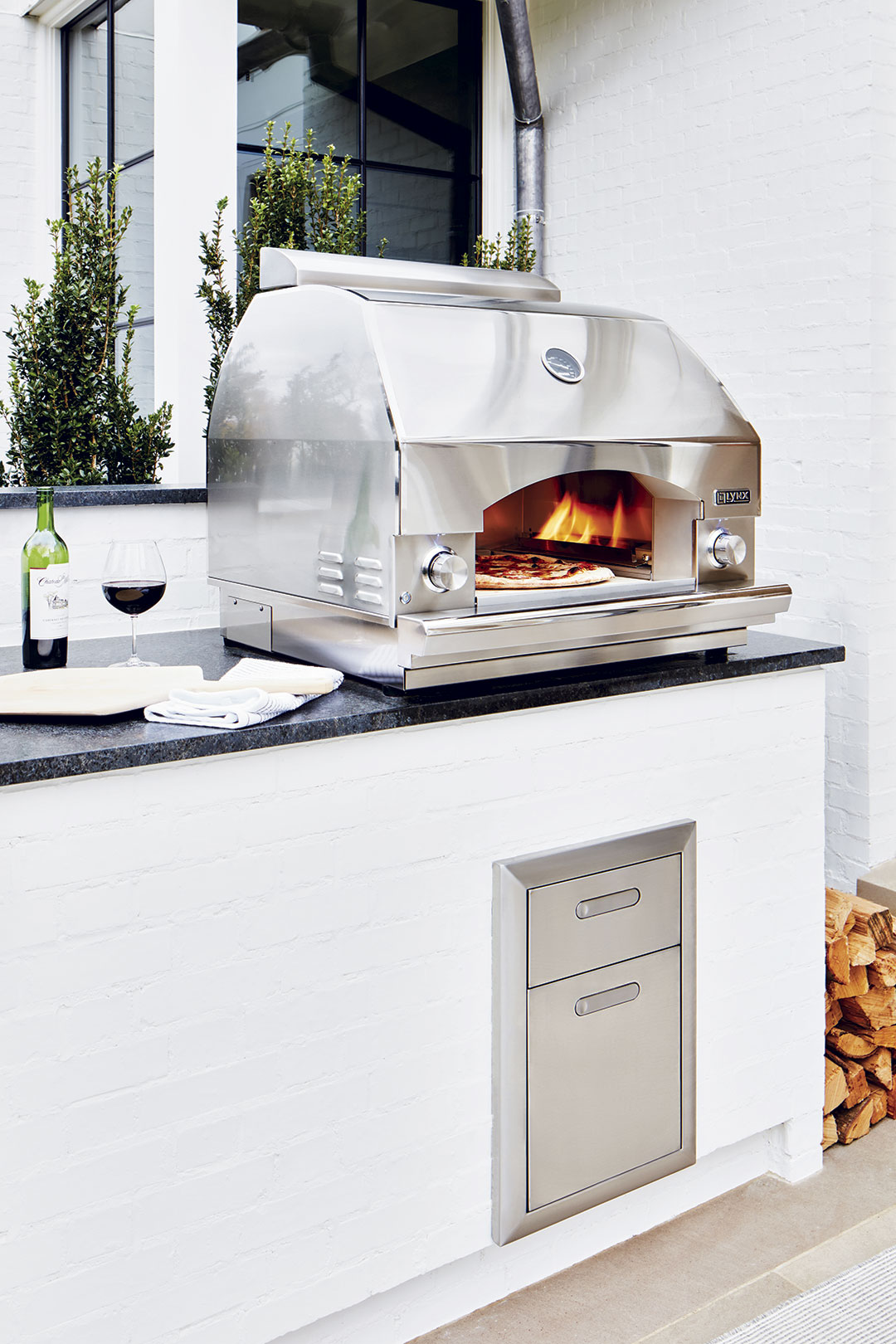
“Outdoor kitchens will be a major focus of innovation in 2026, with electric grilling options expanding and more major brands entering the category,” Chernoff comments. “Bertazzoni, Kucht and JennAir will join the outdoor market, giving consumers more choices and accelerating the growth of outdoor living as a core part of the home.”
Last Words
Beazer’s Roseman puts it well: “I think high-performance construction (i.e. energy efficiency) will continue to be a point of interest – especially for its monthly utility savings benefits – but it has to be paired with quality and comfort. Buyers don’t want to compromise, and they’re expecting builders to figure out how to deliver both.” This is true for designers and remodelers too!
Jamie Gold, CKD, CAPS, MCCWC is an author, wellness design consultant and industry speaker. Her award-winning third book, Wellness by Design (Simon & Schuster, 2020), has a Bonus Chapter: Lessons for How We Live Now, published October 2023. Learn more about her wellness design CEU presentations, books, blog and consulting services at jamiegold.net.
link